“Protecting your skin” sounds straightforward, until you actually have vitiligo. Now, you’re left unsure about what skin protection actually means, which products to buy, and whether every white patch needs special treatment.
The good news is that vitiligo skin care doesn’t have to be expensive or complicated. For most people, a basic routine built around consistent habits and the avoidance of unnecessary irritation is sufficient.

It’s important to set realistic expectations, too. No moisturiser, sunscreen, or over-the-counter cream can achieve repigmentation for those with vitiligo.
Instead, the goals of good skin care are protection and flare prevention, helping you reduce the risk of sunburn, maintain a healthy skin barrier, and manage a few of the avoidable triggers that may cause new patches. If you’re also receiving medical treatment for vitiligo, good daily skin care helps support it.
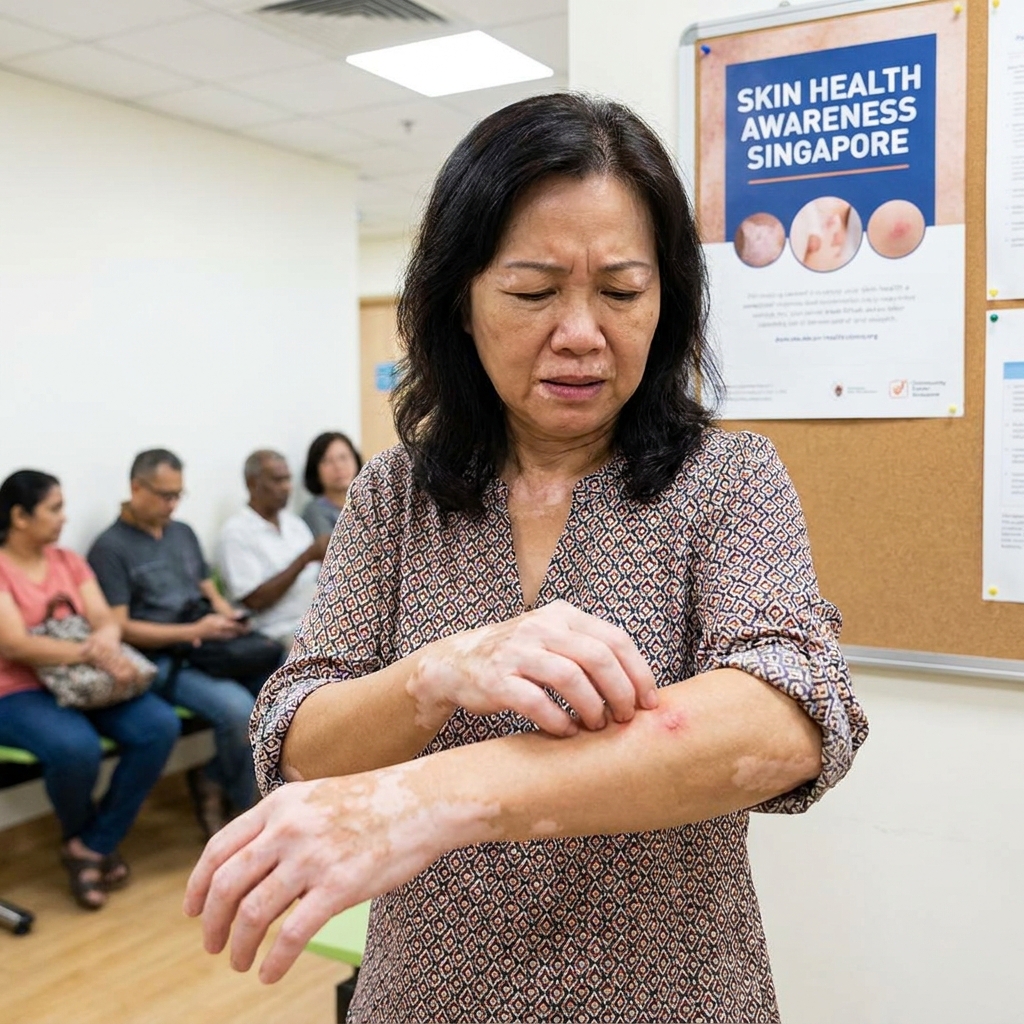
Skin with vitiligo requires special care because depigmented patches lack melanin, which gives skin its colour and also provides natural protection against ultraviolet (UV) radiation. Without that layer of defence, depigmented skin will burn much more quickly and easily in the sun compared to the surrounding skin.
Another reason gentle care matters for vitiligo is the risk of skin trauma. In some people, damage to the skin from sunburns, cuts, harsh scrubbing, or repeated friction can lead to the development of new vitiligo patches. This process is known as the Koebner phenomenon.
Not everyone with vitiligo will experience the Koebner phenomenon, and not every scratch or sunburn will trigger a new patch. However, because it’s impossible to predict when such cases might happen, it’s best to avoid skin damage as much as you reasonably can.
This is the pillar of a good vitiligo skin care routine: you cannot control every trigger, but you can protect your skin from unnecessary irritation and stress, while keeping habits that are simple enough for long-term commitment.
The best and perhaps most important step in your vitiligo skin care routine is wearing sunscreen.
Sunscreen has clear and proven benefits for people with vitiligo. It helps prevent painful sunburn on depigmented patches, reduces UV damage, and boosts overall skin health. It also gives you more peace of mind when spending time outdoors, especially in sunny and tropical Singapore.
The best sunscreen for vitiligo is not necessarily the most expensive one, or the brand with the longest list of ingredients. Instead, look for these three features:
Broad-spectrum protection, which shields against both UVA and UVB rays.
SPF 30 to SPF 50, which provides strong daily protection. SPF 50 offers a little more protection than SPF 30, particularly if you’re outdoors for extended periods.
A formula you’ll happily wear every day. Consistent habits matter more than picking the “perfect” sunscreen.
If you have sensitive or easily irritated skin, mineral sunscreen is a good choice. This type of sunscreen contains zinc oxide, titanium dioxide, or both, which sit on the skin’s surface and reflect or scatter UV rays. Mineral sunscreen is usually well tolerated by those with sensitive skin.
One drawback is that mineral sunscreens tend to leave a visible white cast, which is particularly evident on darker skin tones or on the normally pigmented skin surrounding vitiligo patches.
If this is a concern, look for a tinted mineral sunscreen instead. The added pigment in this formula helps the product blend more naturally with your skin while still providing UV protection.
Chemical sunscreens are another option. They are typically lightweight, easy to apply, water-resistant, and leave little or no white cast on the skin.
While most people tolerate them well, chemical sunscreens are much more likely to trigger allergic reactions or skin irritation. If you have vitiligo, patch-test a new chemical sunscreen first or consider a mineral formula for your skin care routine instead.
Even the best sunscreen for vitiligo is only as effective as your application method.
A useful guide is the two-finger rule: squeeze sunscreen along the length of your index finger and middle finger for each body area you want to cover. This means two fingers’ worth of sunscreen for your face and neck, another two fingers’ worth for one arm, and so on.
Most people use far less sunscreen than they need, which means they don’t get the full protection indicated by the SPF level on the bottle.
If you’re outdoors, reapply sunscreen every two hours, or more frequently if you have been swimming, sweating heavily, or drying off with a towel.
People also tend to miss key areas on the body. Be sure to spread sunscreen:
Keep in mind that UV exposure is not a concern on hot, sunny days alone. UVA rays can pass through clouds and standard glass, so you’re still exposed even while driving, sitting by a window, or walking outdoors on an overcast day.
That doesn’t mean you need to avoid daylight entirely, but it’s a reminder to make wearing sunscreen a daily habit in your vitiligo skin care routine.
Sunscreen is important, but it’s only one layer of the protection your skin needs.
When you’re spending longer periods outdoors, consider wearing:
Checking the day’s UV Index can also help you plan outdoor activities. If UV levels are especially high, stay in the shade or schedule your walks and exercises earlier in the morning or later in the evening. This helps reduce your total UV exposure while still allowing you to enjoy time outdoors.
Think of clothing, hats, and shade as your first line of defence. Sunscreen then becomes the backup layer that protects the skin that is still exposed. Together, these habits offer more reliable protection than depending on sunscreen alone.
Most importantly, don’t let sun protection stop you from living your life. The goal isn’t to avoid being outdoors, but to enjoy it with better preparation and a lot less stress on your skin.
If you’ve spent any time researching vitiligo skin care online, you’ve probably come across complicated routines, expensive serums, and products that promise to restore pigment naturally.
The reality is much less exciting, but far more reliable. Rather than experimenting with dozens of specialised products, the best skin care routine for most people with vitiligo is simple enough to do every day:
Start with a gentle cleanser and rinse with lukewarm water. Choose a cleanser that is:
Next, apply a moisturiser to help maintain your skin barrier. Healthy and well-hydrated skin will be much less prone to dryness and irritation.
Ingredients worth looking for in a good moisturiser include:
Finish the routine with your daily sunscreen, even if you’re only planning to spend a short time outdoors.
In the evening, remove sunscreen, makeup, and the day’s build-up with a gentle cleanser, then apply moisturiser again.
If your dermatologist has prescribed a treatment, such as a topical corticosteroid, this is usually when you would apply it. Follow your dermatologist’s instructions carefully, as the order and frequency of application will depend on the specific medication.
Limit use or patch-test skincare products that contain:
There is no evidence that these products directly worsen vitiligo, but they can cause redness, irritation, and damage, which put unnecessary stress on already sensitive skin.
When trying new products for your skin, add them to your routine one at a time. This way, if any irritation develops, you’ll be able to identify the source of the reaction.
For people with vitiligo, sunburn isn’t the only type of skin trauma to guard against.
Repeated friction or injury can contribute to the development of new patches through the Koebner phenomenon. To combat this, you can try to reduce repeated, preventable irritation where possible.
Think about the areas where clothing or accessories regularly rub against your skin, like tight waistbands, bra straps, shoes, or backpack straps.
If you notice persistent rubbing in certain areas of your body, consider adjusting the fit, picking softer fabrics, or using protective clothing where practical. For instance, if a bra strap repeatedly irritates the same area of skin, try switching to a wider strap or a softer material to reduce friction.
Most people with vitiligo can continue shaving safely. Be sure to use a sharp, clean razor, plenty of shaving cream, and don’t press too hard against the skin. Shaving over vitiligo patches will not cause them to spread, but it’s worth avoiding repeated cuts and razor burns.
For waxing, laser hair removal, or other cosmetic hair removal procedures, speak with your dermatologist first, especially if you have experienced the Koebner phenomenon before.
Accidents can happen anytime. If you ever cut or scrape your skin, prompt first aid will help your skin heal well without added irritation.
Clean the wound gently, apply appropriate dressing if required, and keep the area clean. Try not to pick at scabs, as this can reopen the wound and delay healing.
Tattoos are not off limits if you have vitiligo, but each case depends on the individual.
Tattooing involves creating thousands of tiny puncture wounds in the skin. For someone prone to the Koebner phenomenon, this could increase the risk of new vitiligo patches forming in or around the tattooed area.
The same concern also applies to aggressive cosmetic procedures that intentionally injure the skin, such as deep chemical peels or laser treatments.
If you are considering any cosmetic procedure that causes controlled skin trauma, do discuss it with a dermatologist beforehand. They can help you weigh the potential benefits and risks based on your personal history of vitiligo.
Choosing to cover skin patches with cosmetic products is a deeply personal decision for people with vitiligo.
Some people never feel the need to do so, while others prefer to camouflage their patches for specific situations, such as a wedding, an important presentation, or a job interview.
Neither choice is more “correct” than the other, and covering your vitiligo patches is in no way an obligation. It’s all about what helps you feel more comfortable and confident.
Medical camouflage creams provide long-lasting, high-coverage colour that is usually more sweat- and water-resistant than ordinary makeup. There are a variety of brands that offer a wide range of shades, so you can blend vitiligo patches with your surrounding skin tone as naturally as possible.
Products containing DHA (dihydroxyacetone) can temporarily darken the skin’s outer layer without exposing it to UV rays.
Some people with vitiligo use self-tanning products to reduce the contrast between vitiligo patches and surrounding skin, particularly on larger areas such as the arms or legs. When applying self-tanners, depigmented patches may develop colour that looks different from your natural skin tone. It’s best to test the product on a small area first to check the results.
Applying ordinary foundation, concealer, colour correctors, or body makeup can be effective ways to camouflage smaller patches, particularly on the face and hands.
You can find many online guides and tutorials that share the right products and application techniques to achieve the most even, natural-looking coverage.
Living with vitiligo isn’t just about changes in skin colour. The condition can also affect your confidence, daily activities, and emotional wellbeing.
The Vitiligo Quality of Life (VitiQoL) Questionnaire is a simple self-assessment that helps measure the mental and emotional impact of vitiligo on your life over the past month. Save your results and share them with your dermatologist to support a more informed discussion about your care.
Your skin’s needs won’t stay the same all year, and small seasonal adjustments can help keep it comfortable.
During summer or warmer months, focus on sun protection. Reapply sunscreen more consistently when outdoors, and wear protective clothing and hats during prolonged sun exposure.
Mild sunburns can happen despite your best efforts. In these situations, treat the affected skin gently and give it time to recover.
In wintry, cold, or rainy weather, skin can start feeling considerably drier. At these times, start using a richer moisturiser, and reduce the number and duration of hot showers to help maintain skin hydration.
Don’t forget to use sunscreen even in cold or rainy months. Vitiligo patches are vulnerable to UV rays all year round, so continue to apply sunscreen and use sun protection on areas of your body that are not covered.
A quick online search for vitiligo skin care will surface a variety of creams, oils, soaps, supplements, and other products claiming to restore pigment naturally.
It’s understandable why people with vitiligo see the appeal of these products. However, there is currently no evidence that any over-the-counter skincare products alone can “treat” the condition.
Your time and money are better spent on the skin care habits that truly make a difference:
A simple routine may not sound as exciting as a miracle cream, but it is far more likely to protect your skin and overall health in the long term.

A simple vitiligo skin care routine can do wonders for protecting your skin, but remember, it is not a substitute for medical advice or treatment.
If you are unsure how to fit certain skin care products into your treatment plan, don’t hesitate to speak to a dermatologist. They can help you identify whether you are experiencing normal skin sensitivity or a reaction to a specific product, and whether any changes require medical attention.
Do book an appointment with your doctor if:
Seeing a dermatologist isn’t a last resort. It is actually the best step to take when your questions go beyond what skin care alone can address.
The best sunscreen for vitiligo is a broad-spectrum sunscreen with SPF 30–50, applied daily to exposed skin. If you have sensitive skin, a mineral sunscreen containing zinc oxide or titanium dioxide may be a good option.
No. Vitiligo patches cannot tan because they contain no melanin, the pigment that gives skin colour and acts as natural protection against UV rays. Instead, depigmented skin burns much more easily, making daily sun protection especially crucial.
Yes. Moisturiser won’t repigment vitiligo or stop it from spreading. However, it helps maintain a healthy skin barrier, reduces dryness and irritation, and keeps your skin comfortable. Look for beneficial ingredients in moisturisers such as ceramides, hyaluronic acid, or colloidal oatmeal. Avoid products that have strong fragrances.
Yes, but gently. Avoid harsh scrubs or frequent exfoliation that leaves your skin red or irritated. If you choose to exfoliate, use mild products, avoid excessive friction, and stop if your skin reacts negatively.
Because the tattooing process involves repeated skin injury, it may actually increase the risk of new vitiligo patches developing in some people through the Koebner phenomenon. If you’re considering a tattoo, discuss the potential risks with your dermatologist first.
Vitiligo creams found online are not automatically harmful, but be cautious of products that claim to “cure” or repigment vitiligo through skin care alone. There is currently no strong evidence that over-the-counter creams, soaps, or supplements can restore pigment without medical treatment. If you’re considering treatment, it’s best to speak with a dermatologist about evidence-based options.
When it comes to skin care, the little, everyday details matter.
Which sunscreen won’t sting around the eyes? Which mineral formula leaves the least white cast? Which concealer brand will last throughout the workday?
This is where a community can be an invaluable resource.
The Vitiligo Support Group brings together people across Singapore who have already experimented with different products and routines, and are happy to share what they’ve learned with you.
Everyone’s skin is different, but hearing from people who face the same challenges can make choosing your next product a little easier.
Membership in the Vitiligo Support Group is free and open to anyone affected by the condition, whether you have recently been diagnosed or have been managing it for years.
We provide educational resources, including makeup and camouflage technique workshops, community events, and opportunities to build meaningful connections with others affected by vitiligo.