
Vitiligo is a condition characterised by white or pale patches on the skin. It is caused by the body’s own immune system destroying healthy melanocytes, the cells that produce melanin and give skin its colour. In Singapore, vitiligo affects people of all ethnicities, backgrounds, and age groups.
Vitiligo is an autoimmune condition where the body mistakenly destroys its own melanocytes.
The result is depigmented patches on the skin that look lighter or completely white than the surrounding areas. Vitiligo patches can appear anywhere on the body, and can either remain stable or spread over time.
Vitiligo affects around 1-2% of the world’s population. In Singapore, the contrast between depigmented and healthy skin can be especially distinct, as many people have medium to deeper skin tones.
This condition can develop at any age, though around half of all cases are first diagnosed before the age of 20. Vitiligo affects both men and women roughly equally, and can occur in people of any ethnicity, including Singaporeans of Chinese, Malay, and Indian descent.

In Singapore, you can access vitiligo treatment through the public healthcare system and private dermatology clinics.
Public Hospitals
Public hospitals in Singapore with dermatology departments that treat vitiligo include:
You may need a referral from a GP or polyclinic to access the subsidised specialist care at these hospitals.
Private Clinics
Private dermatology clinics can give you faster appointments without a referral. However, you may incur higher out-of-pocket costs for treatments. Many of Singapore’s top private dermatologists have extensive experience in treating vitiligo and can provide the latest therapies.
The cost of vitiligo treatment in Singapore depends on the type of treatment, your specific provider, and whether you are using the private or public healthcare system.
At public hospitals with a referral, subsidised consultations are considerably more affordable.
Private consultations for vitiligo may start from $150–$250 and upwards per visit.
Topical medications, newer treatments like JAK inhibitor creams, and surgical options all carry different price points.
For more information on vitiligo treatment costs in Singapore, visit our dedicated guide here:

Vitiligo treatment may be partially covered under MediShield Life, Singapore’s national health insurance scheme.
Do note that this depends on the type of treatment and whether it is received in an inpatient or outpatient capacity. As a rule, outpatient dermatology consultations and topical treatments cannot be directly claimed under MediShield Life. However, some hospitalisation-related procedures could qualify.
For broader coverage, including outpatient visits, you may consider Integrated Shield Plans (IPs) offered by private insurers. It is best to check with your insurance provider before you start treatment for vitiligo.
Yes.
The Vitiligo Support Group Singapore (VSG) is a community-led initiative dedicated to supporting Singaporeans living with vitiligo.
VSG believes that no one should face vitiligo alone, which is why we work to bring together patients, families, and supporters through education, community events, and in-person connections.
Our group is open to anyone affected by vitiligo, whether you have just received a diagnosis or have been living with the condition for years. Membership is free and gives you access to resources, events, and a growing community of people who are ready to uplift and empower each other.
Dermatologists in Singapore provide a wide range of vitiligo treatments.
Topical treatments such as corticosteroids and calcineurin inhibitors are usually the first line of treatment, especially if the patches are small or localised.
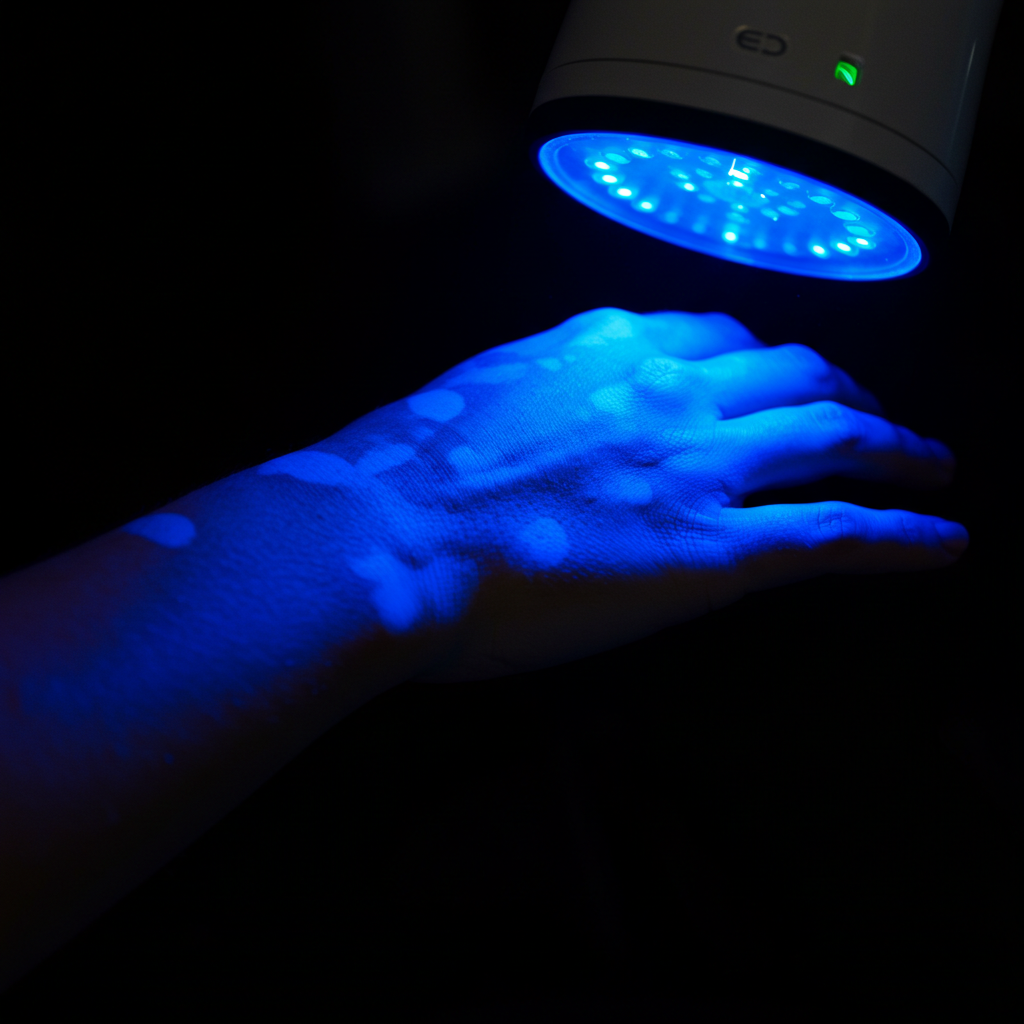
Narrowband UVB (NB-UVB) phototherapy, one of the most effective treatments for widespread vitiligo, is available at public hospitals and some private clinics.
Surgical options, including skin grafting and melanocyte transplantation, can be considered for vitiligo that has not responded to other treatments.

Vitiligo affects approximately 1% of the population in Singapore. It is present across all ethnic groups in the country, including Chinese, Indian, and Malay populations.
Yes. Vitiligo treatment is available at both public hospitals and private dermatology clinics in Singapore. Options include topical medications, narrowband UVB phototherapy, JAK inhibitors, and surgical therapies. The right treatment depends on the type of vitiligo, the extent of involvement, and individual patient factors.
You will typically need a referral from a GP to receive subsidised vitiligo care at a public hospital in Singapore. Private dermatology clinics will accept direct appointments with no referral required. However, costs here will be higher.
No. Vitiligo is an autoimmune condition and cannot be passed from one person to another through touch, skin contact, or any form of social interaction. It is completely safe to be around someone with vitiligo.
Yes, vitiligo can develop at any age, including in childhood. Approximately 50% of all vitiligo cases are diagnosed before the age of 20. The condition can have a significant emotional and mental impact on children, so age-appropriate psychological support is an important part of overall treatment.
Vitiligo is linked with a higher risk of other autoimmune conditions, such as thyroid disorders and type 1 diabetes. Your dermatologist may recommend further testing to rule out related conditions. Not everyone with vitiligo will develop these health issues, but regular monitoring is advisable.
Vitiligo can spread in some people. New patches may appear, or existing patches may grow over time, with the rate of spread varying between individuals. with new patches appearing or existing patches growing over time. Non-segmental vitiligo is more likely to spread than segmental vitiligo, which tends to be more stable.
On medium to deeper skin tones, vitiligo patches appear as sharply defined areas of pale or white skin. The contrast is more obvious on darker skin tones, which is common among Singaporeans. However, treatment options remain the same regardless of skin tone.
There is currently no cure for vitiligo. However, many people achieve improved quality of life and can even restore some skin pigment through treatments such as phototherapy, topical medications, surgery, and newer therapies like JAK inhibitors.
Joining VSG is free and open to anyone affected by vitiligo in Singapore. You can register directly here. Once registered, you will receive access to resources, community events, and peer support communities.
Vitiligo treatment at public hospitals is subsidised for Singapore citizens and permanent residents. MediShield Life may cover some hospitalisation-related procedures, though most outpatient consultations are not directly claimable. Integrated Shield Plans may offer broader coverage. Always check with your insurer before starting treatment.