
Is Vitiligo Treatment Covered by MediShield Life or Insurance in Singapore?
MediShield Life and most Integrated Shield Plans (IPs) in Singapore do not fully cover vitiligo treatment.
Coverage is typically limited to day surgery procedures and medically necessary inpatient treatment. This means that outpatient consultations and topical medications are usually not claimable.

MediShield Life
Does MediShield Life Cover Vitiligo Treatment?
MediShield Life is Singapore’s mandatory health insurance scheme administered by the Central Provident Fund (CPF) Board, on behalf of the Ministry of Health (MOH). It helps Singaporeans pay hospital bills and selected inpatient and outpatient treatments.
What MediShield Life may cover for vitiligo patients:
Inpatient hospitalisation
Which is rare for vitiligo. However, it can occur due to complications arising from co-existing conditions, such as autoimmune diseases.
Selected day-surgery procedures
Selected day-surgery procedures that are on the approved list of treatments. For instance, a melanocyte transplant may qualify for coverage if it is performed as a day surgery in a public hospital.
What MediShield Life does not cover:
dermatology consultations
Routine outpatient dermatology consultations, whether in public hospitals or private clinics.
Topical medications
Topical medications provided in an outpatient setting.
UVB phototherapy
Narrowband UVB phototherapy sessions.
inhibitor creams
JAK inhibitor creams or other newer therapies that are not yet on the approved drug list.
cosmetic Treatments
Treatments considered cosmetic in nature by the insurer or doctor.
What Do Integrated Shield Plans (IPs) Cover for Vitiligo?
Integrated Shield Plans are insurance policies offered by private providers in Singapore as a supplement to MediShield Life. IPs often have broader coverage that extends to private hospitals and surgical procedures.
For vitiligo patients, the IP coverage depends on the terms of the specific plan and the type of treatment needed, including:
- Day surgery and hospitalisation at public hospitals
- Day surgery and inpatient at private hospitals
- Some pre- and post-hospitalisation outpatient costs
- May include dermatology outpatient visits
However, there is a significant limitation in vitiligo coverage within IP policies, as it may be excluded as a pre-existing or cosmetic condition.
Some important questions you should clarify with your IP insurance provider regarding vitiligo coverage:
- Is vitiligo classified as a medical condition, and not a cosmetic one, under my policy?
- Are surgical repigmentation procedures, like skin grafting, covered under my day-surgery benefit?
- Does my policy cover pre-existing conditions? This is essential, as vitiligo can be excluded from coverage if it was already diagnosed before you purchased the policy.
Be sure to read and understand the specific terms of your IP policy carefully before committing to it.


What Vitiligo Treatments Are Typically Not Covered?
Insurers in Singapore commonly exclude or limit coverage for the following vitiligo-related treatments:
- Narrowband UVB (NBUVB) phototherapy, which is categorised as an outpatient procedure and is typically not claimable under standard insurance.
- Excimer laser therapy, which is considered an optional or cosmetic procedure.
- Topical medications (corticosteroids, tacrolimus, ruxolitinib). These are classed as outpatient medications and will need to be paid for out of pocket.
- Ruxolitinib cream via the Special Access Programme. As it is a non-approved drug not yet on standard formularies, this is very unlikely to be covered by current policies.
- Investigative tests not directly linked to a covered hospitalisation. For instance, routine thyroid or Vitamin D tests conducted at a dermatology outpatient visit.
Knowing the excluded or limited coverage for vitiligo treatment under IPs will help you budget more effectively.
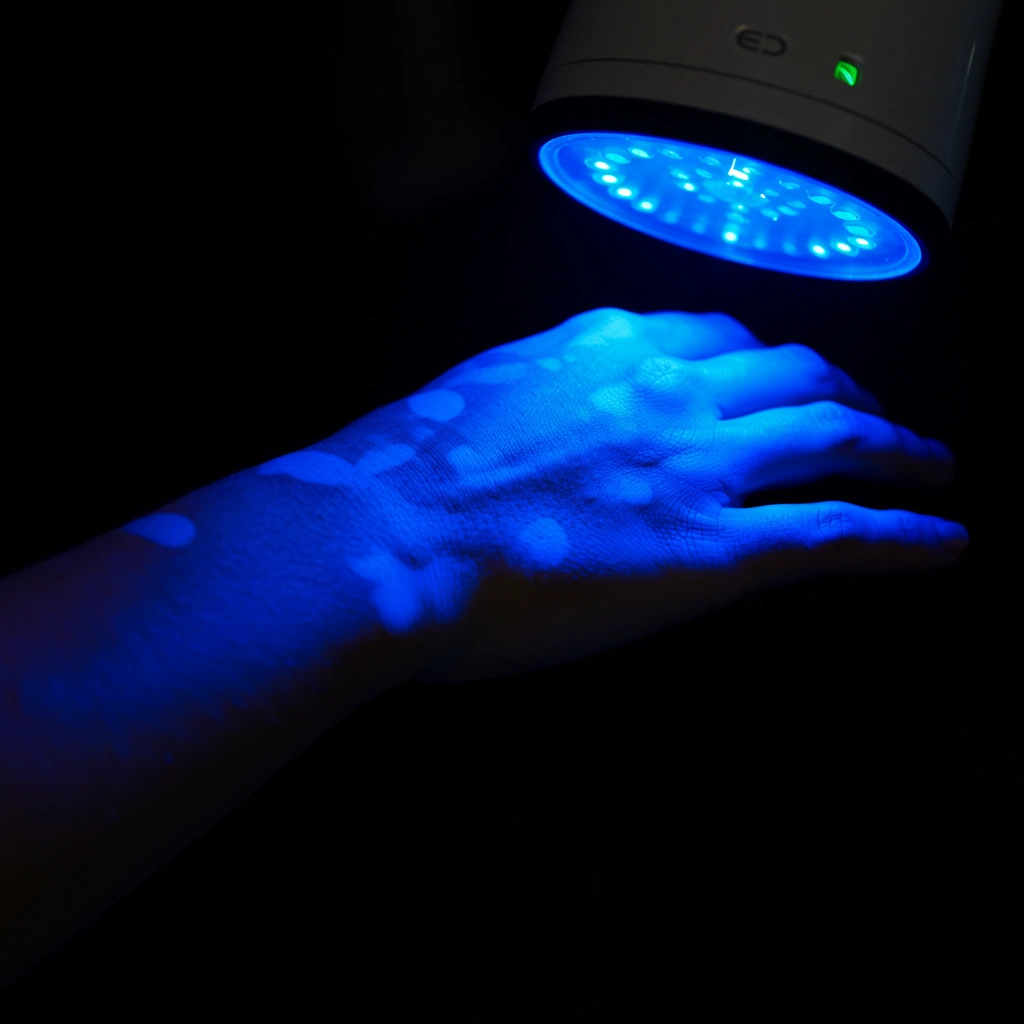
How to Check Your Coverage for Vitiligo Treatment
If you are already diagnosed with vitiligo or are seeking coverage for future treatment, here is how you can check your current coverage status:
Step 1
Review the Schedule of Benefits and the Exclusions section in your policy documents, and note any mentions of ‘skin conditions’, ‘dermatology’, ‘cosmetic treatment’, and ‘pre-existing conditions’.
Step 2
Talk to your insurance provider and ask them whether your specific treatment type is covered under the plan. Request a written clarification on this, if possible.
Step 3
Ask your dermatologist to code your diagnosis correctly. How vitiligo is framed, whether as a medical condition or a cosmetic one, may significantly influence insurance coverage.
Step 4
Check your MediSave balance. Certain approved day-surgery procedures at public hospitals may allow you to draw on your MediSave. The hospital will be able to advise you on eligibility.
Step 5
Explore your Community Health Assist Scheme (CHAS) eligibility. Singapore Citizens who qualify based on income can obtain CHAS cards, which allow access to subsidised care at participating GP and specialist outpatient clinics.
Tips to Maximise Your Coverage for Vitiligo Treatment
Here are some ways to help you get the most out of your insurance coverage for vitiligo care:
Purchase an IP before diagnosis if possible. Once vitiligo is diagnosed, it may be excluded from coverage due to its status as a pre-existing condition.
Opt for treatment at public hospitals to access MediSave and subsidies, especially if you require surgical treatments.
Consider an IP with a rider that offers extended coverage for specialist outpatient visits. Some insurers offer riders that extend coverage to specialist outpatient visits. This can be beneficial if you anticipate long-term clinic visits as part of your vitiligo care.
Keep all medical records and specialist letters on hand. Comprehensive documentation of your vitiligo diagnosis and treatment may strengthen insurance claims.
If your insurance claim is rejected for being a cosmetic treatment, ask for a letter from your dermatologist confirming the medical necessity of the procedure. This can boost the chances of a successful appeal.
Connect with us at the Vitiligo Support Group in Singapore. Fellow patients may have direct experience managing insurance coverage and costs and can offer tips, guidance, and support as you navigate your treatment journey.
Frequently Asked Questions
Can I claim for vitiligo phototherapy under MediShield Life?
Generally no. MediShield Life covers mainly inpatient and selected day-surgery costs. Outpatient phototherapy is not typically claimable unless it is bundled into a covered procedure at a restructured hospital.
Will my insurance company treat vitiligo as a cosmetic condition?
This depends on your insurer and policy wording. Some insurers may classify vitiligo treatment as cosmetic, especially for topical and phototherapy treatments aimed at repigmentation. It is important to have your dermatologist frame the condition in terms of medical necessity in all clinical documentation.
Can I use MediSave for vitiligo treatment?
MediSave can be used for approved day-surgery procedures and certain MOH-approved outpatient treatments. Routine consultations and topical medications are generally not covered. Confirm with the billing team at your hospital.
If I were already diagnosed with vitiligo, can I still get insurance?
Yes, but vitiligo may be listed as an exclusion on your new policy. Some insurers may offer coverage with an exclusion clause for vitiligo-related claims. You should disclose your diagnosis honestly when applying.
Is ruxolitinib cream likely to be covered by insurance in Singapore?
Not at present. As ruxolitinib is only available via the Special Access Programme and not commercially approved in Singapore, it is extremely unlikely to be covered by current MediShield Life or Integrated Shield Plans. This may change if it receives HSA marketing authorisation in the future.